
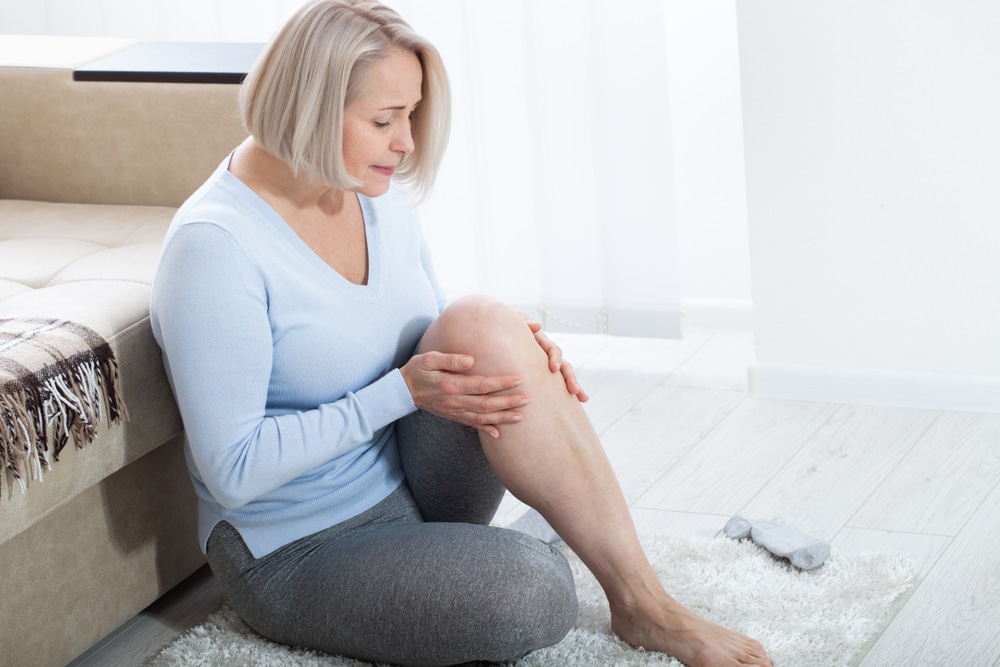
Many women enter menopause expecting hot flashes or sleep changes, but joint pain is often a symptom no one talks about. Your fingers may feel stiff when you wake up, or your knees might ache after a normal walk. These changes can feel confusing, especially if you’re used to feeling strong and comfortable. In many cases, the reason comes back to your shifting hormones.
Dr. Corey Howard, MD, works with women who are noticing these kinds of changes during perimenopause and menopause. Dr. Howard is board-certified in internal medicine and has additional training in functional and metabolic medicine. At Howard Health & Wellness in Naples, Florida, he focuses on identifying the underlying factors affecting your health.
How Hormonal Changes Affect Inflammation and Joint Health
Hormones influence many systems in the body, including inflammation levels and joint function. As estrogen levels decline during menopause, several changes may occur that contribute to stiffness, soreness, and joint discomfort.
Some of the most common effects include:
- Increased Inflammation: Estrogen helps regulate the body’s inflammatory response. When levels drop, the body can become more reactive to inflammatory signals, which may lead to swelling, soreness, or muscle and joint discomfort.
- Changes in Joint Lubrication: Lower estrogen levels may reduce joint lubrication, which can make movement feel less comfortable.
- Reduced Collagen Support: Estrogen also influences collagen production, which helps maintain the strength and flexibility of connective tissue around the joints.
- Greater Sensitivity to Physical Activity: Some women notice that everyday movements such as walking, exercising, or lifting objects begin to cause more soreness than before.
- Other Menopause-Related Factors: Sleep disruption, increased stress, and metabolic changes during menopause can also raise inflammation levels in the body.
When several of these factors occur at the same time, joint stiffness and inflammation can become more noticeable. This is why many women begin experiencing joint discomfort during midlife, even if they have never had joint problems before.
Making Sense of Midlife Changes
Exploring how your joint pain and inflammation may be connected to hormonal shifts can bring helpful clarity during menopause. When hormone levels are properly evaluated when, many women begin to understand why their bodies feel different during this stage of life.
Dr. Corey Howard provides menopause-focused care at Howard Health & Wellness in Naples. Hormone replacement therapy may help restore balance and reduce inflammation-related symptoms, including joint discomfort. Contact Howard Health & Wellness today at 239-331-2285 to schedule your consultation.